
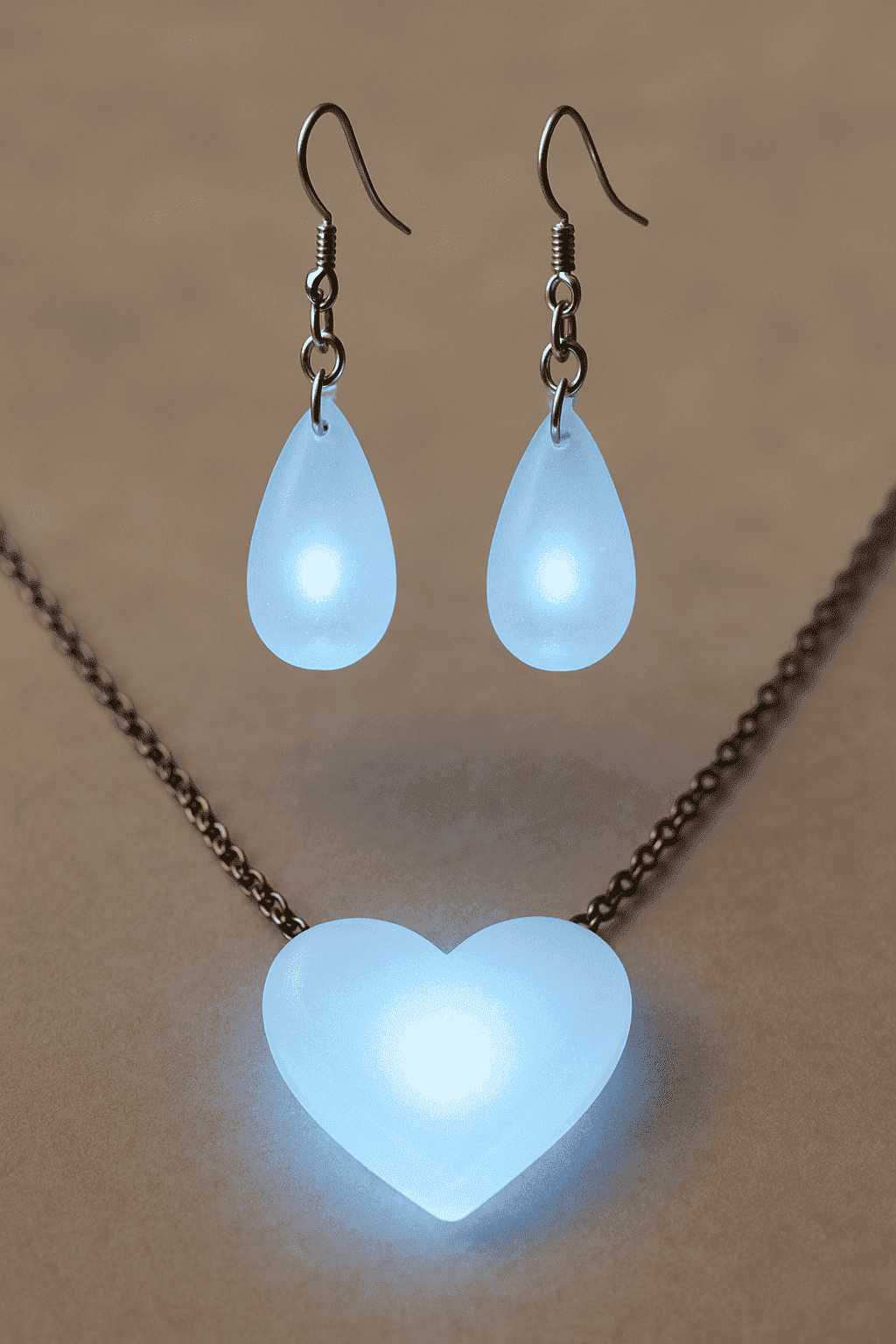
Light is a natural attention-grabber, and luminous jewelry adds a dimension that static pieces simply can’t match. Whether it’s earrings that shimmer with your heartbeat or necklaces that glow to the rhythm of music, programmable accessories create endless possibilities for personal expression.
With small, affordable LEDs and compact controllers widely available, these expressive designs are now accessible to everyone, and open-source resources make it easier than ever for makers to bring their glowing creations to life.
Why Open-Source is a Perfect Match for Glowing Accessories
Open-source encourages sharing of designs, schematics, and code, allowing others to study, adapt, and improve upon existing projects. This collaborative environment makes it easier for newcomers to get started while giving experienced makers the freedom to explore more ambitious and creative designs.
Key benefits of open-source in jewelry making include access to ready-made LED control libraries, such as FastLED or Adafruit NeoPixel, as well as free PCB layouts and patterns that can be adapted for different earring or necklace shapes. Makers also gain from community troubleshooting and feedback through global forums, along with inspiration drawn from public project galleries on platforms like GitHub and Hackaday.io.
Building Light-Up Earrings
Light-up earrings are small but mighty projects. Because space is limited, you’ll need compact components and efficient designs.
Steps for Creating LED Earrings:
- Select your base – This could be a 3D-printed shell, resin cast, or modified existing earring.
- Choose your LED and microcontroller – Tiny boards like the ATtiny85 or Seeeduino XIAO are perfect.
- Plan your wiring – Keep wires short and secure to reduce weight.
- Add power – Coin cells fit neatly behind an earring post or within a decorative housing.
- Program the effects – Use Arduino IDE to set brightness, patterns, and triggers.
Designing Glowing Necklaces
Necklaces offer more space than earrings, which allows for bolder designs, larger batteries, and multiple LEDs. This extra room also makes it possible to incorporate sensors, enabling more interactive effects that respond to the wearer or the environment.
Popular features in open-source necklaces include color shifts based on ambient light levels, pulsing glows synchronized with music, interactive patterns triggered by motion sensors, and even wireless control via Bluetooth. By leveraging open-source code libraries, makers can add these effects without having to build everything from scratch, making it easier to create dynamic, glowing jewelry.
Materials and Tools Checklist
Here’s a starter set for most light-up earring and necklace builds:
- Microcontroller board (Arduino-compatible, ATtiny85, ESP32, etc.)
- LEDs (single-color or addressable)
- Coin cell batteries or slim LiPo packs
- Soldering iron and fine-tip solder
- Conductive thread or thin insulated wire
- Jewelry findings (hooks, clasps, chains, etc.)
- Decorative materials (resin, beads, 3D prints)
- Heat-shrink tubing for insulation
The type of LED you choose affects both the look and the complexity of your project. Popular LEDs for jewelry include single-color micro LEDs, RGB addressable LEDs, and fiber optic strands.
Open-Source Projects to Explore
If you want to get started, there are countless open-source jewelry projects ready to be adapted. Here are a few standout examples:
- NeoPixel Earrings – Bright, programmable LEDs controlled by a microcontroller.
- Heart-Beat Pendant – Uses a pulse sensor to light up in rhythm with your heart.
- Reactive Glow Necklace – Changes color when you move or dance.
- Solar-Charging Brooch – Stores daytime sunlight for a nighttime glow.
Each of these projects typically includes schematics, code, and materials lists, so you can build or remix them freely.
Tips for Success
Working on tiny, wearable electronics requires patience and an eye for detail. It’s important to test your design continuously and avoid sealing anything until you’ve confirmed that every component functions as intended. Comfort is also key, so be mindful of the weight of your components to ensure your jewelry is wearable for extended periods.
Protecting your electronics is another essential step. Using resin or small enclosures can shield delicate circuits from moisture and everyday wear. Additionally, optimizing battery life will make your creations more practical; slightly dimming LEDs and writing efficient code loops can help ensure your light-up earrings and necklaces last longer between charges.
Lighting the Path Forward
Light-up earrings and necklaces are more than just accessories, they’re personal statements, conversation starters, and wearable experiments. With open-source resources, the barrier between idea and finished piece has never been lower.
Whether you’re building a pair of subtle, glowing studs or a bold, animated necklace, the journey combines engineering, artistry, and self-expression. And best of all? When you share your creation openly, you help the next maker’s imagination shine even brighter.

